
Event List
Capturing Crittenden: A Photography Hike
SOLD OUT
From 9:00 a.m. until 3:00 p.m.
Put on your hiking boots and grab a camera! On Saturday, October 17, The Lloyd takes you to Crittenden, the home of the Curtis Gates Lloyd Wildlife Management Area. We will depart from The Lloyd at 9:00 AM, transportation is provided. Along with photographer Kent Krugh, we will hike the old growth forest to observe Kent’s process and immerse ourselves in the woods that Curtis once hiked. We will learn more about the Lloyd Brothers’ connections to Kentucky along the way and have lunch at the Lloyd Welfare House in nearby Grant County Park. Participants will be able to view the Beyond the Gate exhibit once the bus returns to the library. Ticket prices include transportation and lunch.
Sold Out
Please note: this specific trail is in an old-growth forest and features rugged, uneven terrain and overgrown vegetation in some areas. Unfortunately, this makes the route unsuitable for wheelchairs, strollers, or those with mobility aids.
Chestnuts: The Comeback Kids?
From 7:00 p.m. until 8:00 p.m.
As part of the 2026 FotoFocus Biennial's theme, The Long View, memoirist, cookbook author, and writer for Edible Ohio Valley, Annette Januzzi Wick will host a panel discussion at The Lloyd. Panelists include Mark Neikirk, local writer and former Kentucky Post editor, and local farmers Chris Smyth (Southern Ohio Chestnut Company) and David Hoff (Cincinnati Chestnut Company). The American Chestnut, long since eradicated through a blight in the early to mid-1900s, were once a staple in furniture and fences, food pathways, and holiday meals. Participants will learn about growing efforts underway to restore the American chestnut to its former place in the landscape, and how other chestnut varieties are already filling that niche today, offering a chance to re-engage with chestnuts as an abundant tree crop right now, not just in the future. Participants will also be treated to tastes of chestnuts in various forms.
Agroforestry: A Multifunctional and Resilient Landscape Pathway
Virtual Program
From 7:00 p.m. until 8:00 p.m.
John Munsell, PhD, explores how agroforestry, the integration of trees and other perennial plants into agricultural landscapes, can enhance ecosystem health while supporting productive working lands. Drawing on the past, present, and future of agroforestry in temperate ecosystems, Munsell will examine the many roles trees play as sources of food, fiber, medicine, craft materials, and biodiversity, while also contributing to cleaner air and water, carbon management, and resilient landscapes. Through case studies spanning rural and urban environments, participants will gain insight into how agroforestry can foster more ecofunctional landscapes and strengthen the connections between people, trees, and the places they share.
John Munsell, PhD is Professor of Forest Management in the Department of Forest Resources and Environmental Conservation at Virginia Tech University. His research and outreach focus on advancing agroforestry as a practical approach to enhancing environmental quality, supporting rural economies, and creating resilient working landscapes.
Holiday Preview Sale
From 9:00 a.m. until 4:00 p.m.
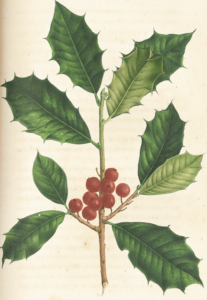 The holidays are just around the corner! Stop in for our Holiday preview sale to find unique gifts drawn from our collections. Items range from puzzles and cards to coffee mugs and t-shirts. On November 21, shoppers receive a 10% discount, and Lloyd Members get 20% off.
Free and open to the public.
The Art of Survival Opening Reception
From 5:00 p.m. until 7:00 p.m.
Join us for the opening of The Art of Survival, which celebrates the dynamic resiliency of ecosystems and the plants that populate them.
Free and open to the public.