
Botany and botanists in Madagascar: Studying Grasses and Grasslands

April 3rd, 2025 Filed under: Uncategorized |

Comments Off on Botany and botanists in Madagascar: Studying Grasses and Grasslands

Join us as we explore the fascinating world of grasses with Dr. Maria (Bat) S. Vorontsova from Kew Gardens, focusing on their incredible diversity in tropical Africa, especially the lesser-known species and their role in shaping tropical grasslands and savannas. A key project involves creating a detailed guide to the grass family in Madagascar, combining ecology, plant history, and the practical uses of grasses. The talk will also touch on the development of plant classification systems and the importance of naming plants correctly.
Watch the recording.

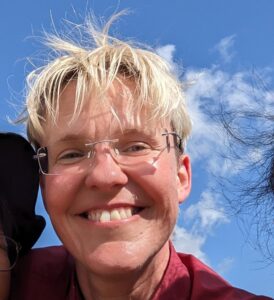
Dr. Maria (Bat) S. Vorontsova specializes in grasses, with a focus on tropical African diversity, poorly known lineages, and the evolution of grasslands and savannas. Her main research is a taxonomic treatment of Poaceae for the Flora of Madagascar, blending ecological, phylogenetic, and ethnobotanical studies. She also explores plant classifications and nomenclature and manages GrassBase, a global resource compiling taxonomic knowledge on grasses.
Conservation in Action: Empowering Communities and Protecting Kenya’s Wildlife

March 31st, 2025 Filed under: Uncategorized |

Comments Off on Conservation in Action: Empowering Communities and Protecting Kenya’s Wildlife

This program highlights the powerful link between community empowerment and wildlife conservation in Kenya. By strengthening local communities, we can create lasting change for both people and wildlife. Learn how initiatives that focus on education, sustainable livelihoods, and community-led efforts are helping to protect Kenya’s biodiversity while improving local well-being. Discover how empowered communities are key to long-term conservation success.

Watch the recording.

Mark Fisher has been the Vice President of Facilities, Planning, and Sustainability at the Cincinnati Zoo & Botanical Garden for more than a dozen years, where he is the driving force behind the Zoo’s nationally recognized sustainability movement and goal of becoming the greenest Zoo in the world.

Brick by Brick: Growing Community and Food Security

March 25th, 2025 Filed under: Uncategorized |

Comments Off on Brick by Brick: Growing Community and Food Security

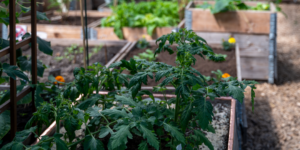
Join us for a walking tour of Brick Gardens, an inspiring urban community garden dedicated to combating food insecurity in Cincinnati. Discover how this innovative project transforms vacant land and buildings into vibrant urban farms and indoor vertical farmhouses. Learn about the mission to provide fresh, healthy produce to neighborhoods facing food deserts, and see firsthand the positive impact this green space has on the local community.

Free and open to the public. No registration required.


A Tour of Africa with Chef Gabi Odebode

March 25th, 2025 Filed under: Uncategorized |

Comments Off on A Tour of Africa with Chef Gabi Odebode

Join Chef Gabi Odebode as she takes you on a tour through the diverse and rich regions of Africa, all through the lens of its incredible cuisine. Hear captivating stories, sample mouthwatering dishes, and savor vibrant flavors from across the continent and beyond. Experience the global influence of African ingredients and cooking techniques in a one-of-a-kind event that celebrates the rich cultural heritage of Africa’s culinary traditions.

Watch the recording.

Chef Gabi Odebode, born and raised in Koforidua, Ghana, discovered her passion for food at an early age. She began her education in Ghana before immigrating to the United States at the age of 9. Driven by a deep belief in inclusivity and representation, Chef Gabi founded Afromeals to bring West African cuisine into the mainstream food scene. Recognizing the lack of representation of African, particularly West African, dishes in the culinary world, she made it her mission to introduce and share these vibrant flavors beyond her community. Through various cooking classes across Ohio, Chef Gabi educates and inspires others to experience the richness and diversity of African cuisine.

The African Plant Diaspora Community Dinner

February 14th, 2025 Filed under: Uncategorized |

Comments Off on The African Plant Diaspora Community Dinner

In collaboration with Cincinnati’s Table and Wave Pool,we are thrilled to present a community dinner that celebrates African food culture. This gathering offers a unique opportunity to honor the rich traditions of African cuisine, while reflecting on the profound connections between historical plant migrations and the resilience of African culinary and agricultural practices. Chef Sabina Ghartey will craft a menu designed to foster connection and education, highlighting the flavors and heritage of traditional African dishes. Co-coordinated by 2023 Lloyd Artist-in-Residence, Mark Harris.

In addition to the meal, the event will feature an interactive aspect, inviting community members to share their own family recipes and traditions, creating a space for storytelling and cultural exchange. This event is a tribute to the strength, diversity, and enduring legacy of African culinary art.

Join us for dinner at 6p.m. on Saturday, April 26!

Reservations not required.

The African Plant Diaspora Exhibition Opening Reception

February 14th, 2025 Filed under: Uncategorized |

Comments Off on The African Plant Diaspora Exhibition Opening Reception

The Enduring Impact of the African Plant Diaspora is a three-month exhibition, opening April 25, 2025, and running until July 25, 2025. Curated by Mark Harris, the 2023 Lloyd Library Artist-in-Residence, and Lloyd librarians, the exhibition will showcase his original artwork, alongside rare 18th-century botanical books from the Lloyd Library’s extensive collection.

These books—key to the colonial plant trade—have long overlooked the contributions of enslaved and indigenous peoples to botanical studies. Harris’s artwork will highlight these often-unseen contributions and offer an artistic perspective on African plant legacies that have been concealed or erased by colonial narratives. Additionally, the opening reception will feature a film by Mark Harris, Predatory Botany, which offers a further exploration of these themes.

Free and open to the public. Light refreshments.

African Plant Diaspora Symposium

February 14th, 2025 Filed under: Uncategorized |

Comments Off on African Plant Diaspora Symposium

The Enduring Impact of the African Plant Diaspora Symposium aims to generate new scholarship and foster a community conversation about the horticultural knowledge of Africans and their descendants in the Americas. By exploring the history of plant shipments alongside the transportation of enslaved Africans, the event seeks to deepen understanding of the interconnectedness of these histories. Co-coordinated by 2023 Lloyd Artist-in-Residence, Mark Harris.



Organized as a series of presentations, discussions, and participatory performances, the symposium will provide an opportunity for attendees to engage in meaningful dialogue with scholars, community leaders, and participants. Refreshment breaks and a lunch will offer additional chances for connection and conversation.

Symposium Schedule

Click on the title to watch the recording on YouTube.

9:30 a.m.  Welcome and introduction

10 a.m.   Saving Seeds, Crops & Culinary Practices: Past Stories Informing the Future, Dominique Peebles and R. Alan Wight

11 a.m.  The Enduring Legacy of the African Plant Diaspora, Mark Harris

12 p.m.  Lunch Break

1 p.m. Conjuring Other Ways of Knowing: Plants as a Site for Healing and Change, Chandra Frank

2 p.m.  The Black Environmental History of Sesame, Jayson Maurice Porter

3 p.m.  African Food Legacies in the Americas, Judith Carney

4 p.m.  Nurturing Mother Plots in an Era of Grief, Annalee Davis

4:45 p.m.  Closing Remarks


Library Closed

January 28th, 2025 Filed under: Uncategorized |

Comments Off on Library Closed

Cultivating Victorian Womanhood: Botany, Domesticity and Healthy Households

January 6th, 2025 Filed under: Uncategorized |

Comments Off on Cultivating Victorian Womanhood: Botany, Domesticity and Healthy Households

The Victorian plant craze was about more than decor—it was also part of the “cult of domesticity,” which dictated that a woman’s place was in the home. This “separate spheres” ideology placed expectations on women to keep the members of her household healthy and guide them morally, and houseplants helped her accomplish both. Additionally, social reformers used the concept of “moral botany” during outreach to working class families. Beyond that, botany also provided an acceptable entry point for women to the sciences.

Watch the recording.

Elizabeth YukoElizabeth Yuko, Ph.D., is an award-winning journalist, bioethicist, and an adjunct professor at Fordham University. She is an associate editor at Rolling Stone, where she covers culture and politics, as well as a contributor to The New York Times, Bloomberg CityLab, The Atlantic, Architectural Digest, The Wall Street Journal, The History Channel, The Washington Post, and CNN, among other outlets. 
Fields to Forage: Exploring Edible Natives in Our Backyards

January 6th, 2025 Filed under: Uncategorized |

Comments Off on Fields to Forage: Exploring Edible Natives in Our Backyards

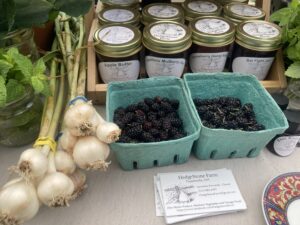
If your goal is to eat more local, you won’t get much closer than your own backyard! At Fields to Forage: Exploring Edible Natives in Our Backyards, we will learn all about the delicious, nutritious foods growing close to home from a career naturalist and farm owner whose goal is to promote native plants and produce to a larger audience. Learn all about what’s in season now and what to look forward to as the growing season progresses. You’ll even get a chance to try some homemade foods made with in-season, native foods! Yum!
Watch the recording.


Samantha Ferrarelli has owned and operated HedgeStone Farm in northeastern Clermont county since 2019. With 15 years of experience and multiple degrees in natural resource management, she applies all her career knowledge in furthering native ecosystems within a small farm setting and sharing that information with others.